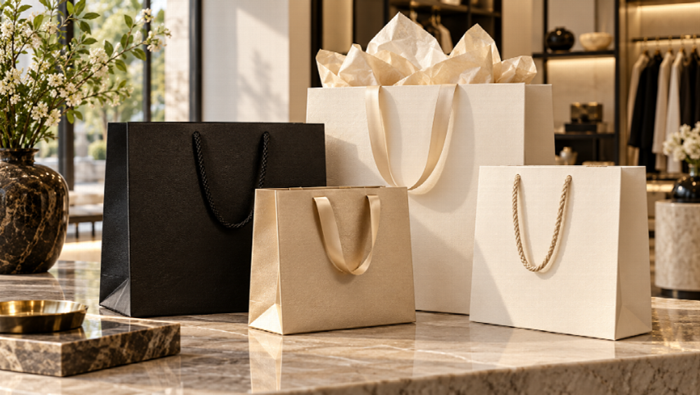
A customer’s experience with a product starts before they open the box or unwrap the tissue. The bag they carry out of a store is part of that first impression. Its proportions, handles, color, and finish can signal care and quality while giving customers a practical way to take their purchase home.
For retailers, a well-designed paper bag has to do more than look polished. It should fit the products, hold up during the trip, and present the brand clearly. Planning those details together helps create packaging that feels considered from checkout through the journey home.
Start With What The Bag Needs To Carry
The right design begins with the products. A bag for jewelry or cosmetics has different needs from one carrying folded apparel, a boxed candle, or several purchases. Think through the items customers typically buy together, including their dimensions, weight, and shape.
Consider the bag’s width, height, and gusset, which is the expandable side or bottom that creates room for products. A bag that is too tight can make packing difficult or leave little room for protective wrapping. One that is much larger than the purchase can feel awkward to carry and may let products shift around.
For a retailer with several product categories, it may help to plan a small family of bag sizes. A compact option might suit a single small purchase, while a larger format can accommodate apparel or multiple items. Consistent design details can make the collection feel cohesive even when bag dimensions vary.
Choose Paper And Construction For The Job
Paper weight and bag construction affect how the bag feels and performs. Let the intended contents, expected handling, and overall presentation guide those decisions. A lightweight bag may suit a small, light purchase, while heavier or bulkier products may call for a sturdier construction.
The base and side gussets also affect how a bag holds its shape when filled. Retailers should consider whether items will be packed upright, laid flat, or grouped with tissue and other packaging. Testing a sample with typical purchases can help reveal fit or handling issues before a design moves into production.
The bag should work with the rest of the packaging system, too. If products are already presented in branded boxes or wrapped in tissue, the shopping bag can carry those pieces together consistently. Coordinated color and design help the full presentation feel intentional.
Select Handles That Match The Experience
Handles influence both comfort and appearance. Paper twist handles can offer a straightforward retail look, while ribbon, rope, or other handle styles can create a different visual and tactile impression. Die-cut handles provide another option, depending on the bag’s structure and intended use.
Think about how customers will carry the bag. A small bag holding lightweight merchandise has different requirements from one carrying a larger purchase. Consider handle attachment, bag size, and product weight as a set, and test samples under realistic conditions.
Handle color can also connect the bag to a brand palette or highlight a detail in the artwork. A subtle match can make the packaging feel coordinated. A contrasting handle can add a more noticeable accent without complicating the design.
Use Finishes With Intention
A finish can change how a bag looks and feels. Options such as lamination, foil details, or other print treatments can help emphasize a logo, pattern, or color choice. The best approach depends on the brand’s visual identity and the impression it wants customers to take away.
It helps to prioritize. A restrained design with one carefully chosen accent may be easier to recognize than a bag with several competing effects. Consider how the finish interacts with the paper, artwork, and store lighting, then review a physical sample before approving the final look.
Artwork placement matters as much as the finish. A logo should be easy to see when the bag is held naturally, and important design elements should remain clear across the front, sides, and base. Simple layouts can give a brand room to be recognizable without crowding the package.
Make The Bag Part Of The Retail And Gifting Experience
Paper shopping bags often carry products beyond the store, where they can remain visible to other shoppers or become part of a gift. That makes the bag useful for more than transport. It can support the customer’s sense that a purchase was selected and presented with care.
Retailers can plan packaging around seasonal collections, special events, or gifting occasions while keeping core brand elements consistent. A seasonal color or limited artwork treatment can create a fresh presentation. A repeatable core design helps customers recognize the brand year-round.
Practical details should stay in the picture. Make room for tissue or a product box if those are part of the presentation. Check that the bag is comfortable to carry and that its opening makes packing straightforward for staff. Thoughtful design should support checkout speed as well as the customer experience.
Avoid Common Design Problems
A visually appealing mockup may not tell the whole story. Review bags with actual products so teams can evaluate fit, stability, handle comfort, and how the artwork looks once the bag is assembled.
Common issues to look for include:
- Sizing that misses the typical purchase: Check the bag with the products customers most often buy, including item combinations.
- Handles that feel uncomfortable: Consider the bag’s expected contents and test how it feels when carried.
- Crowded artwork: Give the logo and key design elements enough space to remain easy to recognize.
- Inconsistent packaging: Compare the bag with boxes, tissue, and other branded materials used in the same purchase.
- Unclear approval expectations: Confirm design details and sample requirements before production begins.
An early sample review gives a team a chance to catch problems while there is still time to adjust dimensions or artwork. It also helps stakeholders evaluate the physical experience instead of relying only on a screen preview.
Plan For A Consistent Packaging System
A retailer may start with one bag style and later need options for new products, stores, or campaigns. Planning a consistent visual system from the start makes future additions easier. Keep key brand elements recognizable, then adapt the size, handle, or finish to suit each use.
Prime Line Packaging works with brands on custom bag details, from materials and structure to artwork and finishing. Retailers can explore custom paper and retail shopping bags to find a format that supports their products and brand presentation.
The strongest bag designs combine function and appearance. When sizing, construction, handles, and artwork are planned around real purchases, the result can make checkout smoother and leave customers with a polished impression that lasts beyond the store.
Frequently Asked Questions About Luxury Paper Shopping Bags
What Should A Retailer Consider When Choosing A Paper Shopping Bag?
Start with the products the bag will carry, including their size, weight, and typical purchase combinations. Then consider the bag’s dimensions, gusset, paper, handles, and artwork. Reviewing a sample with real products can help teams assess fit and handling before approval.
Which Handle Style Is Right For A Retail Shopping Bag?
The choice depends on the desired appearance, bag design, and how customers will carry it. Paper twist, ribbon, rope, and die-cut handles each create a different look and feel. Consider the products’ expected weight and test the bag in realistic use.
How Can Shopping Bags Match A Brand’s Existing Packaging?
Use consistent colors, logos, and design elements across bags, boxes, tissue, and other packaging. Details don’t need to be identical on every item. A shared visual language can help the full presentation feel connected.
Should A Retailer Order More Than One Bag Size?
Multiple sizes can make it easier to package different products and purchase combinations. A small selection of planned sizes may serve a wider range of needs while keeping the design consistent. Product dimensions and checkout routines can help determine which formats are useful.
How Can A Paper Shopping Bag Support Gift Purchases?
A polished bag can carry a boxed or wrapped product and contribute to its presentation. Retailers can coordinate the bag with tissue, ribbons, or other gifting packaging details. If the same bag will serve both purposes, the design should still suit everyday purchases.
Why Should Teams Review A Physical Bag Sample?
A sample lets a team assess the bag’s size, feel, handles, and appearance in person. It can also show how products fit once tissue or boxes are added. That review may uncover adjustments that are hard to judge from a digital design alone.
When Should A Retailer Start Planning Custom Shopping Bags?
Start while product packaging and retail presentation are being developed, especially if several teams need to review the design. Early planning leaves time to align bag dimensions, artwork, materials, and approval steps. Production schedules vary, so confirm timing with the packaging provider.